By Abigail Brandwein
The COVID-19 pandemic came with a devastating lockdown that halted supply chains, promoted sweeping social changes, and created intense economic turmoil. For many, it was a time of isolation, crisis, and lifestyle shift. But now, a new virus, Orthohantavirus (aka Hantavirus), has the world worried that a new global shutdown is on the way.
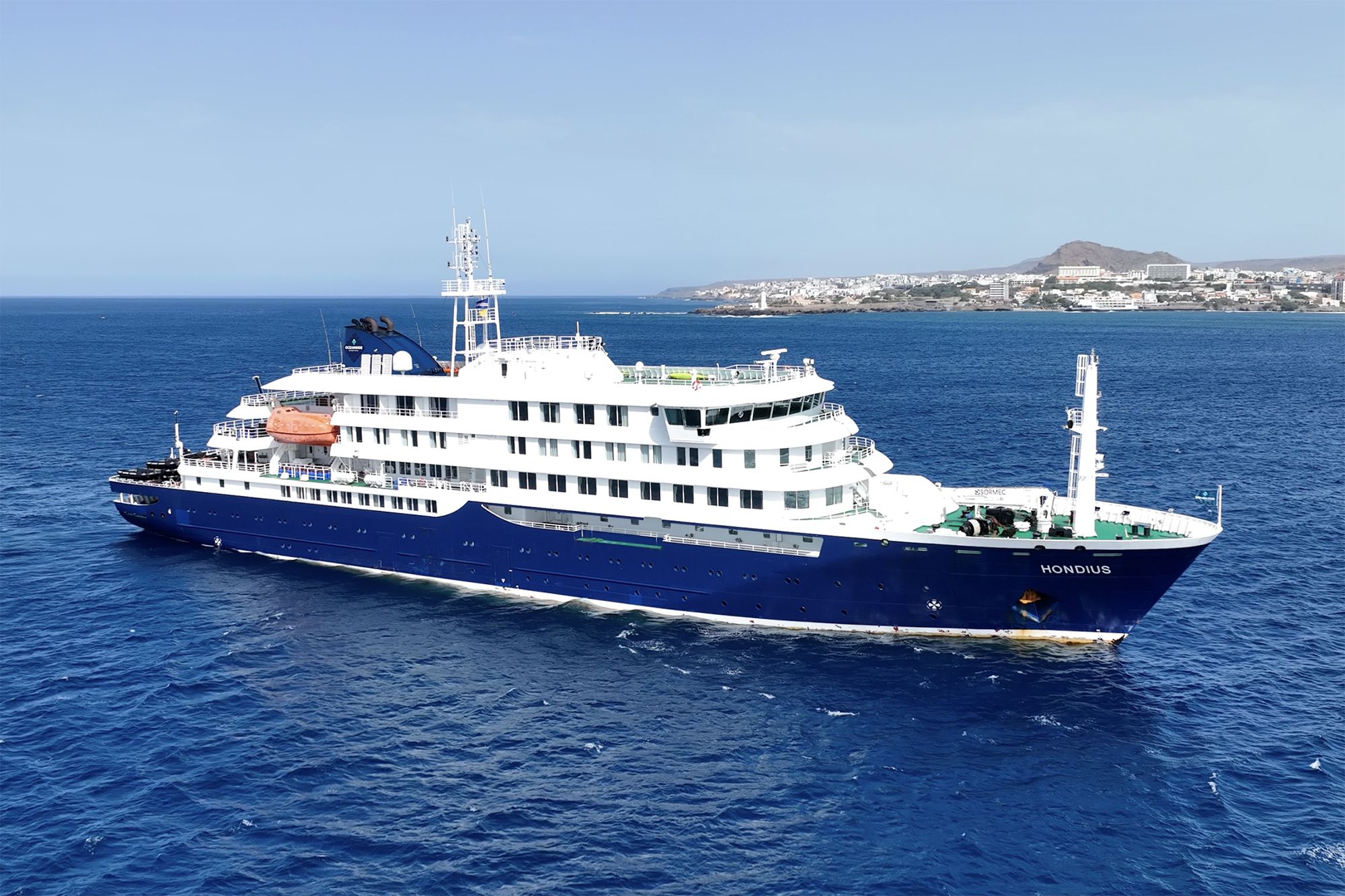
As of May 2026, the MV Hontius cruise ship on the South Atlantic carried more than just passengers – it also transported a deadly outbreak of Hantavirus. According to the World Health Organization, 6 passengers were diagnosed with confirmed cases, resulting in 3 deaths. After patients were identified, the cruise was quickly evacuated, leaving others in fear of coming into contact with the virus.
Following evacuation, many passengers received treatment in South Africa, and a group of 17 US riders were sent to a quarantine facility in Nebraska. The ship itself was sent to the Canary Islands for cleaning. The 147 passengers and crew are under strict medical monitoring for the time being due to evidence of human-to-human transmission of the strain.
Symptoms begin with flu-like illness, including fever, muscle aches, fatigue, or headaches, that usually begin to occur 1-8 weeks after exposure. Within 4-10 days of initial symptoms, the virus will progress to become more severe, inducing cough, shortness of breath, or low blood pressure.
The public is worried about this virus in fear of a second pandemic, due to increasing concerns about the comparative death rates of Hantavirus versus COVID-19. The drastic preventative measures taken against COVID combatted a 1.19% death rate, while Hantavirus tentatively has one of 35-40%.
“COVID took away almost all of our middle school experience,” said Addison Miller, a junior at IHS. “It’s scary that Hantavirus could do the same for a new generation of kids”.
Despite these statistics, health officials emphasize that Hantavirus is different from COVID or influenza, and isn’t highly contagious between humans. The disease is primarily transmitted from rodents to humans, and the cruise outbreak only occurred due to rare cases of very close, prolonged contact.