By Abigail Brandwein
Bookstores are outlets for young readers around the world to explore their interests and grow as readers and students. But in recent years, the foundation of academics – books – have gotten increasingly inaccessible to literary fanatics. As mass-market paperbacks become virtually nonexistent, people are prevented from casual reading, and reading without spending incredible amounts of money.
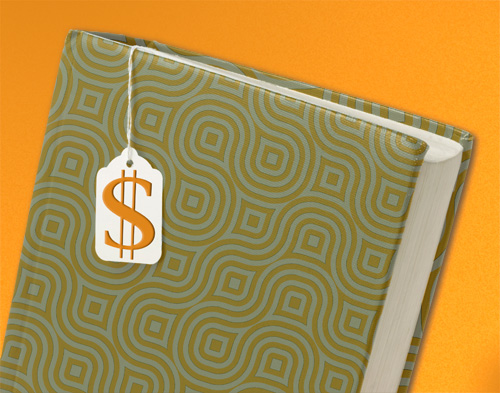
On average, large booksellers charge between $13.95 to $17.95 for new paperback books. The more popular the author is, the more a publisher can charge to read their work. Even worse, the average hardcover book, which is a more aesthetic, durable option, generally costs between $20.99 to $27.99. Self-published novels are even more unaffordable, with prices extending towards $30.00.
The industry has recently lacked substantial mass-market books, which were printed with cheaper materials and sold at lower prices to appeal to a wider audience. The books were typically pocket-sized and had smaller fonts. While smaller, the books provided the same story or information as a full-sized hardcover. However, despite their convenience and accessibility, mass-market books were effectively killed when Readerlink, North America’s biggest distributor of books, discontinued them at the end of 2025. As a result, attainably priced books were left in the past.
“Without books, society becomes ignorant,” says IHS junior Clara Stern. “The higher these costs get, the worse the crisis of illiteracy grows.”
Whether it be increasing a person’s life expectancy or improving sleep and critical thinking the benefits of reading can extend to nearly all regions of our health. Take for instance the personal connection which readers form with the subjects of books. Maryanne Wolf, a professor in residence at UCLA, notes that in a more divided society readers can access the lives of others simply by turning through a few pages.
The increasing cost of paperback and hardcover books is primarily due to rising production costs and inflation, which combined have augmented the price of paper and manufacturing materials. Furthermore, many readers have turned their attention to the visual appeal of a book, leading to further costs for quality cover art and design.
The solutions to this crisis are public and school libraries, which offer free books. Although selection may be limited, they still provide a wide range of options for readers to enjoy.
Ultimately, more affordable literature is critical for maintaining a healthy and thoughtful society. In the face of ever rising inflation, widespread access to literature is dependent on the public funding of libraries.