By Nuvneet Desai
Every election cycle in the United States brings the same debates, long lines at polling places, disputes about voting rules, and confusion about deadlines that vary depending on where someone lives. Due to these recurring issues, the idea of nationalizing elections in the U.S. has gained increasing attention.
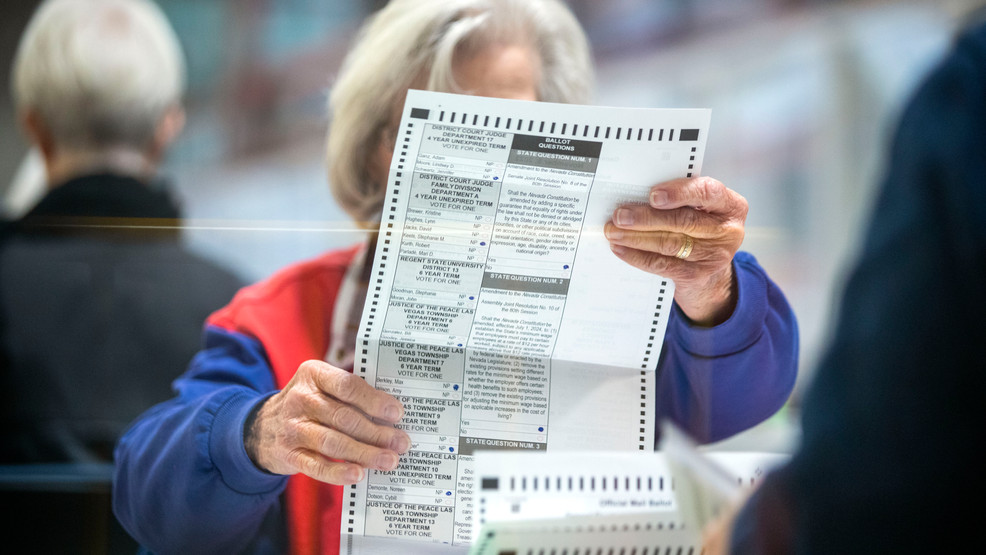
Currently, elections in the U.S. are primarily administered by individual states. While federal laws set some guidelines, each state controls many aspects of the process including voter registration deadlines, early voting rules, and how ballots are counted. The overall system is shaped by the structure of Congress and the authority given to states under the U.S. constitution.
By nationalizing elections, it could make voting more consistent and accessible. Under a nation system, rules for early voting, mail-in-ballots, voting registration, and Election Day procedures would be the same everywhere. This could reduce confusion for voters and prevent accusations that certain states are changing rules to benefit one political party. A standardized system might also help ensure that every citizen has equal access to voting regardless of where they live.
National standards could help address logistical problems that sometimes occur during elections. Long wait times, outdated voting equipment, and inconsistent ballot designs have all been reported across different states. A more centralized approach would provide more clear funding, technology, and security protections to help prevent these problems.
However, some argue that nationalizing elections could create new problems of its own. The United States has historically allowed states to manage elections because the country is large and diverse. Different regions have different populations, geographic challenges, and administrative needs. Local officials may be better equipped to handle these realities than a single federal system.
Opponents also worry that giving the federal government more control over elections could increase political tension if one party dominates national leadership. At the local level, ballots are thoroughly scrutinized by thousands of bipartisan volunteers in a process called canvassing. Although specifics vary based on the place, a more centralized authority will have greater difficulty maintaining the same rigor in its canvassing. Logically, distrust may develop amongst voters who aren’t confident in the strength of a federal filter.
Ultimately, the debate over nationalizing elections reflects larger questions about American democracy. While concerns about a rigid national system must be addressed, in order to reduce confusion it may be time to come away from our state based approach.