By Veer Rikhy
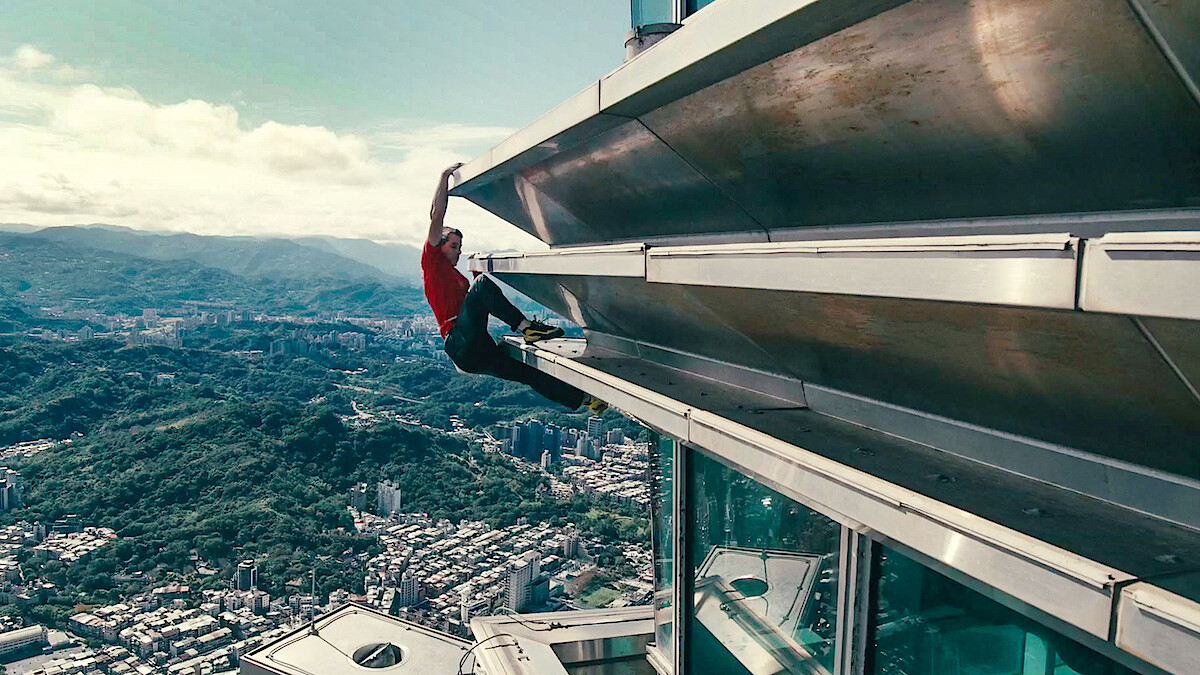
On Sunday, January 25th, in Taipei, Taiwan, Alex Honnold climbed the 1,667-foot building “Taipei 101” with only his own strength, experience, and some chalk dust to assist him. Many citizens of Taipei came to watch the spectacle, but dangerous performances like this one aren’t ethical, especially when manipulated by large corporations.
For context, the event was streamed on Netflix and managed to garner around 6.2 million viewers. Alex Honnold was paid “mid six-figures” from it, while the massive viewership generated Netflix millions in brand value.
Alex Honnold has been climbing for about 30 years, and started as early as when he was 6. Honnold, therefore, has a lot of climbing experience and is a professional in his field. However, there have been many other experienced climbers similar to Honnold who have unfortunately passed during risky free climbs.
John Bachar was one such solo climber, just like Honnold, who sadly died in 2009 while solo free-climbing near his home in California. Bachar also had around 30 years of experience climbing prior to his death and even invented a popular training device for the sport called a “Bachar Ladder”.
John Bachar’s death communicates the ever present risk that free climbing has, regardless of experience. Nonetheless, people like Alex Honnold still choose to free solo, meaning they climb without any assistance or gear.
Still, the issue isn’t the risk alone. As long as it is done by an individual with the proper training, and by someone who has assessed the dangers, free soloing can represent a real sport, albeit for daredevils. Honnold himself is open about his love for the thrill, and he’s gone as far as to mention hypothetically attempting the stunt for free.
Nevertheless, when Netflix marketed, advertised, and dressed up the spectacle, the line between enthusiasm and exploitation was blurred. By utilizing Honnold’s interest to hook audiences without giving nearly enough in compensation, the company in effect manipulated a risky passion.
Alex Honnold has even acknowledged this, telling reporters he was a little embarrassed by his earnings from the event.
In addition, it’s almost a little inhumane for Netflix to broadcast such a hazardous event. Instead of free-climbing, there are other live events that still provoke a thrill amongst the audience that Netflix could profit from, and have earned a large amount of money in the past.
For example, Jake Paul vs Mike Tyson earned Netflix $18 million dollars. While it did lead to the contestants getting injured, there was constantly a crew on sight that could help aid in case anyone got seriously hurt. When Alex Honnold is 1,667 feet in the sky without any equipment, there aren’t any paramedics who can get to him in time in case of an emergency.
Ultimately, Netflix went too far in monetizing Honnold’s flirtation with death, for its broadcast had an inappropriate way of drawing people in, and gave an inadequate amount to Honnold.