By Luke Graeber and Emmett Ansari
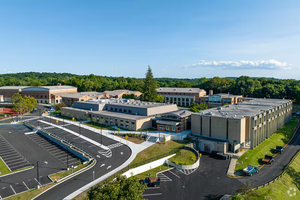
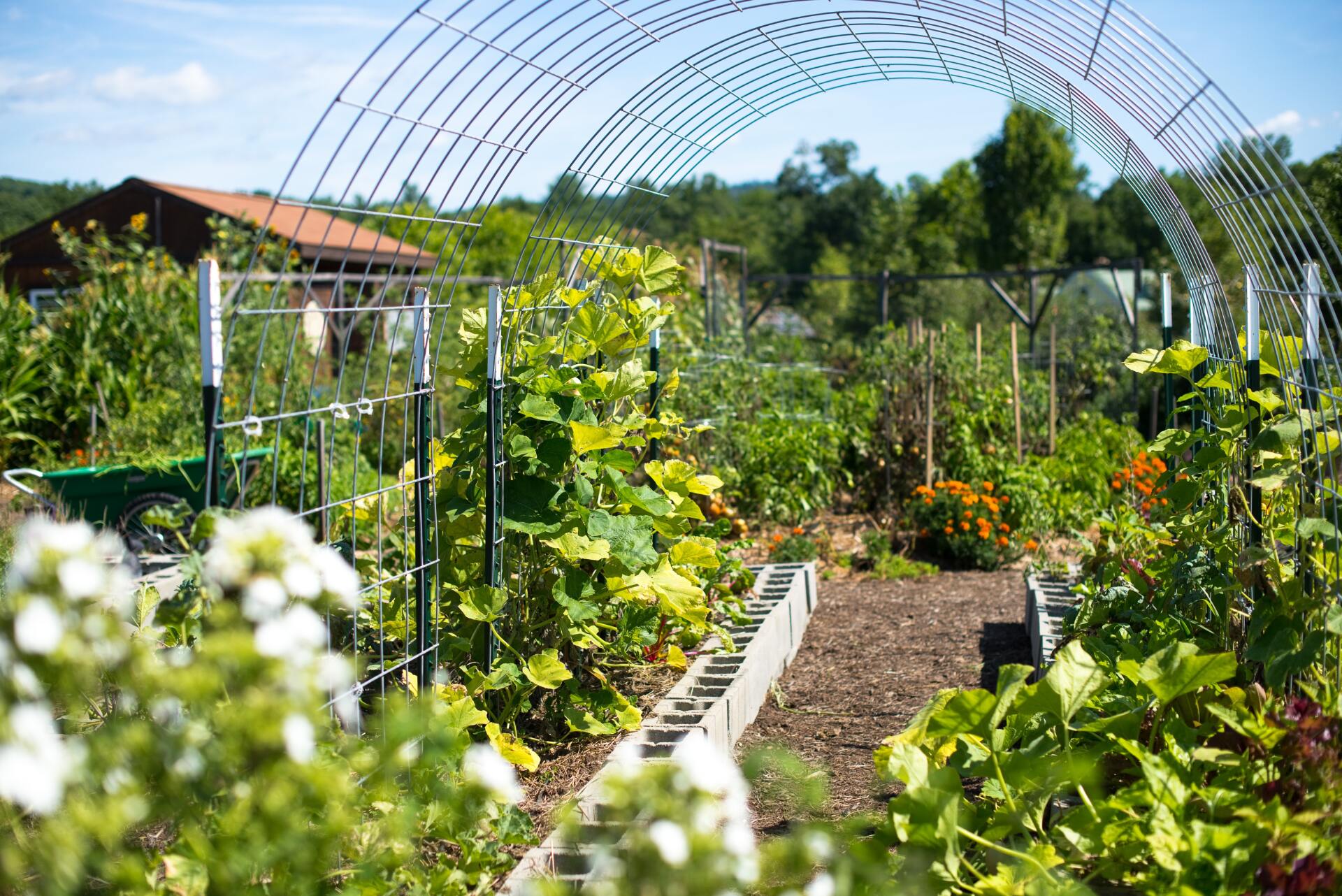
For a while, Irvington High School made use of the beautiful garden right outside the S wing. However, over recent years, its use gradually faded until now, leaving it completely abandoned. This neglected garden represents an exciting opportunity for new developments that could boost student morale. Now is the time for Irvington to rededicate this space to nature, intertwining students’ enjoyment with education.
Multiple people have commented on the current waste of space in our yard. Sophomore Peyton Clinton said, “It needs to be rebuilt. It’s just sitting there helping nobody.”
The mental benefits associated with further integrating nature on campus are undeniable. According to Harvard Health Publishing, just a 20-30 minute break outside drops cortisol levels, a key stress hormone. Such breaks could easily be facilitated by a vibrant garden, while also providing an alternative for students beyond the library or cafeteria during free periods.
The universal aesthetics and appeal of green spaces are also well documented. A study from Griffith University, an Australian institute of higher learning, surveyed people who recently visited forests and national parks across Australia, Chile, China, and Japan. The results found a common enjoyment of nature’s sensory offerings, from the sounds of birdsong to the smells of plant life.
Moreover, Cornell’s Garden-Based Learning program notes that school gardens strengthen students’ cooperation, responsibility, and teamwork skills as they collaborate on shared tasks. This joint effort not only creates a dynamic space for students to enjoy but also provides opportunities to build community through its construction and maintenance. Such community-building could help new students feel welcome and make Irvington High School feel more like home.
A revitalized garden would offer more than just practical growing skills. It could also bring a hands-on space for the exploration of numerous core classes and other relevant areas. Biology classes could measure and draw observations on plant growth and anatomy. Photography classes might find a new space to capture nature. How about a tranquil spot to bring English classes to for discussions or readings?
For health, community, and aesthetics, a garden would bring positive change to our campus. Administrators should recognize the opportunity presented by these overgrown and depleted shrubs and envision a revitalized space for growth. As much as we might overlook it in modern life, nature remains an irrepressible force in shaping us, and it’s one we must embrace.