By Ruby Fieser
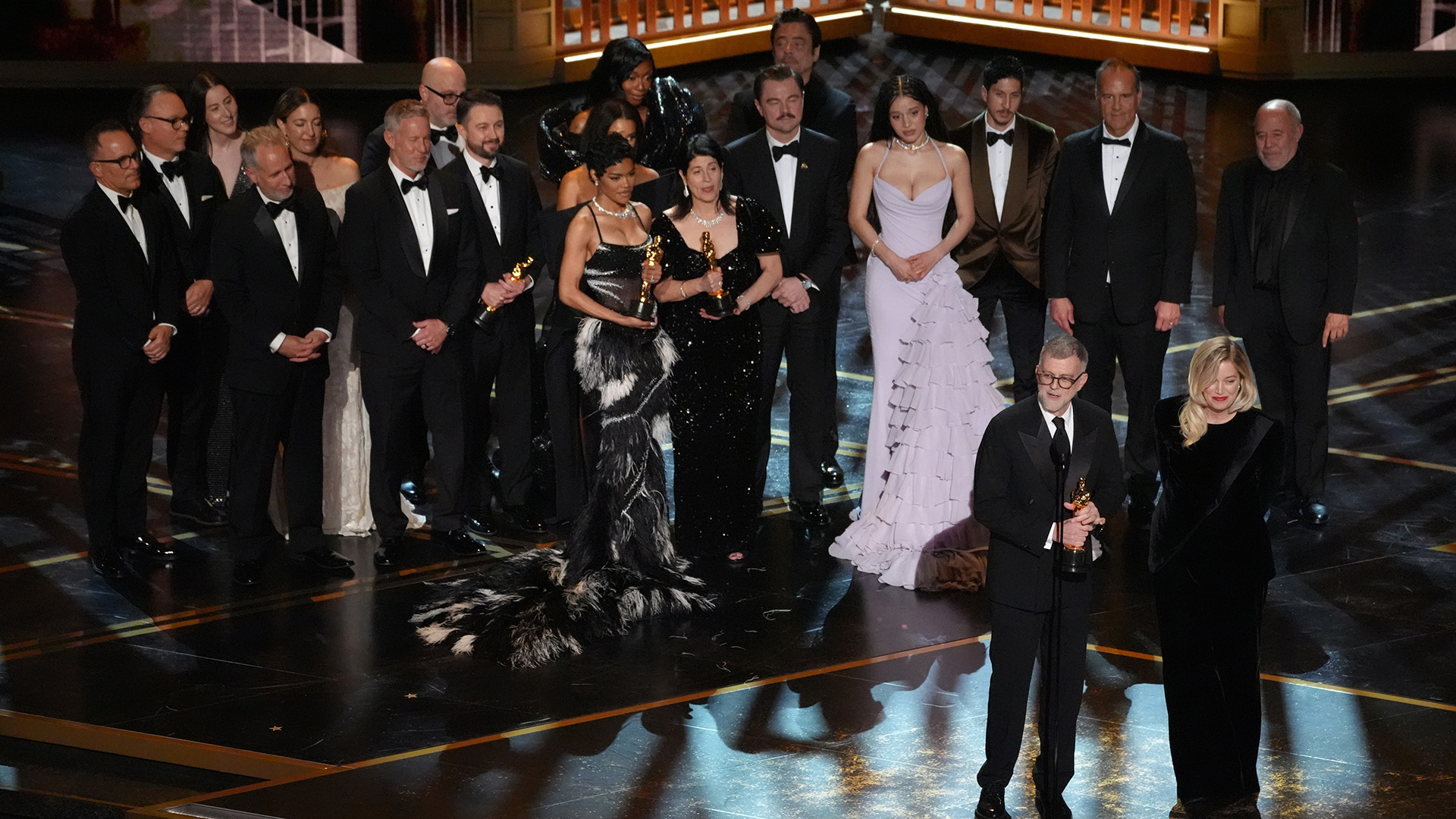
Each year, the Academy Awards come to the forefront of the film industry as the pinnacle of achievement. On Sunday March 15, 2026, the 98th anniversary of the event, widely known as the Oscars, unfolded and millions tuned in.
Growing up in a cinephile household, to say the Oscars are a big deal for my family would be an understatement. This year, I took it upon myself to watch every nominated movie, across all major and minor categories. And now that the dust has settled and the golden statues have been handed out, here are my thoughts on the performances and prestigious awards that recognized them.
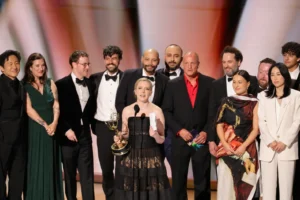
Every year, a major category is placed early in the night while leaving suspense for the highest achievements for the end of the show. This year, it was best supporting actress.
The award was given to Amy Madigan for her performance in Weapons, directed by Zach Cregger. The movie is a horror about the mysterious, supernatural disappearance of 17 schoolchildren in a small Pennsylvania town at 2:17 a.m.
I enjoyed the film. It was tense, atmospheric, and undeniably engaging. However, compared to performances like Inga Ibsdotter Lilleaas’s in Sentimental Value and Wunmi Mosaku’s in Sinners, I was floored that Amy Madigan won in this category.
I strongly support greater recognition for horror, since it’s a genre long overlooked by awards bodies. Still, elevating the genre shouldn’t come at the expense of more layered or transformative performances. Madigan was solid, but not, in my view, the standout of the category.
The best supporting actor award is one that has been heavily debated. The award was given to Sean Penn for his role in One Battle After Another, which is deeply controversial. He played Colonel Lockjaw, a paranoid, far-right military officer who served as the central villain in the story of Bob and Willa Ferguson, an ex-revolutionary and his daughter who are brought back into conflict when his enemy resurfaces after sixteen years.
In contrast to most of the media, I do not have any strong feelings about this award. Penn’s performance was good, as was Jacob Elordi’s, who was also nominated for Frankenstein, and Stellan Skarsgard’s in Sentimental Value. This felt like a genuinely competitive category where multiple outcomes would have been justified.
Best Actor, however, is where my disagreement with the Academy is highlighted. Jesse Plemons delivered what I believe was the strongest performance of the year in Bugonia, directed by Yorgos Lanthimos. But he wasn’t even nominated. His performance grounded an otherwise surreal, alien-centered narrative with such conviction that it made the unbelievable feel real. It’s exactly the kind of work the Oscars claim to celebrate.
The award went to the beloved Michael B Jordan and his role as both Smoke and Stack in Sinners. This is a win I can understand. Playing two distinct characters is no small feat, and Jordan brought nuance and energy to both roles. Still, the absence of Plemons from the nominee list makes the category feel incomplete.
Bugonia was, without question, my favorite film of the year. Its thematic ambition, tonal boldness, and willingness to be strange set it apart from its fellow nominees. And so for me, the lack of recognition extended beyond acting. Lanthimos, whose direction balanced absurdity with emotional clarity, was equally deserving of a nomination. His omission, like Plemons’, was definitely one of the most glaring oversights of this year’s awards.
To end on a high note, Jessie Buckley’s win felt like a moment of clarity in an otherwise uneven night. Her performance was magnetic. She was layered, vulnerable, and impossible to look away from. It was easily the best performance of the year and I am so glad it was recognized.