By Aaron Strow
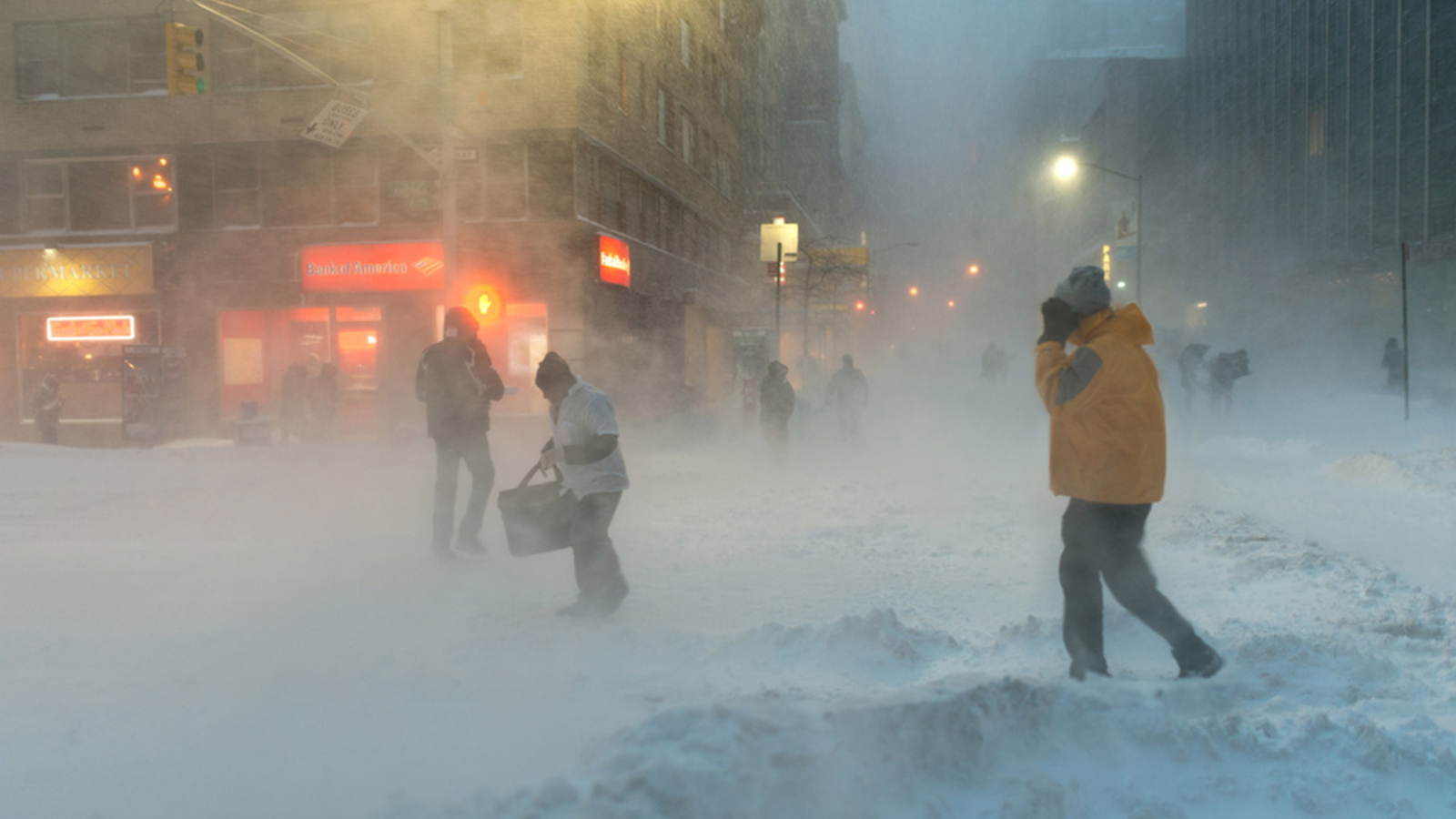
This winter, the weather has been dramatic from record snowfall and blizzards in the East and to unusually warm conditions in the West. Late February 2026, a historic blizzard buried parts of the Northeast in about 3 ft of snow, bringing travel to a standstill and leaving thousands without power. As the weather has gotten worse and less predictable, this blizzard should be more of a wake up call rather than a coincidence.
As the blizzard dumped snow across states like New York and Massachusetts, it shut down highways and canceled flights. Events like this are becoming more disruptive and more costly, and pretending they are normal ignores what scientists have been warning for decades about climate change.
Samuel Lee, a sophomore at Irvington High School said “in the past month, we have had two major snowstorms that both took a major hit on how I got around and functioned.”
At the same time, the western United States experienced the opposite problem with a snow drought. As the temperature stayed unusually warm for the mountain snowpack, the water and agriculture that millions had relied on remained far below average.
According to NASA warmer air holds more moisture, which can lead to heavier snowfall when temperatures are cold enough. Meanwhile, shifting jet streams can drag Arctic air farther south, creating brutal cold snaps.
Dismissing these patterns as mere coincidence is dangerous, as communities are paying the price through damaged infrastructure, rising costs, and increased risks to their own lives. Instead, we should be advocating for awareness about this problem, preparation for future dangerous events, and responsibility for our actions.
There’s been growing patterns of extreme and disruptive weather showing that the climate is becoming less stable. Even though this recent weather change is alarming, it should not be a reason to panic. We as a community should attempt to better both our ways and approve how we can treat the environment.