By Dylan Sawhney
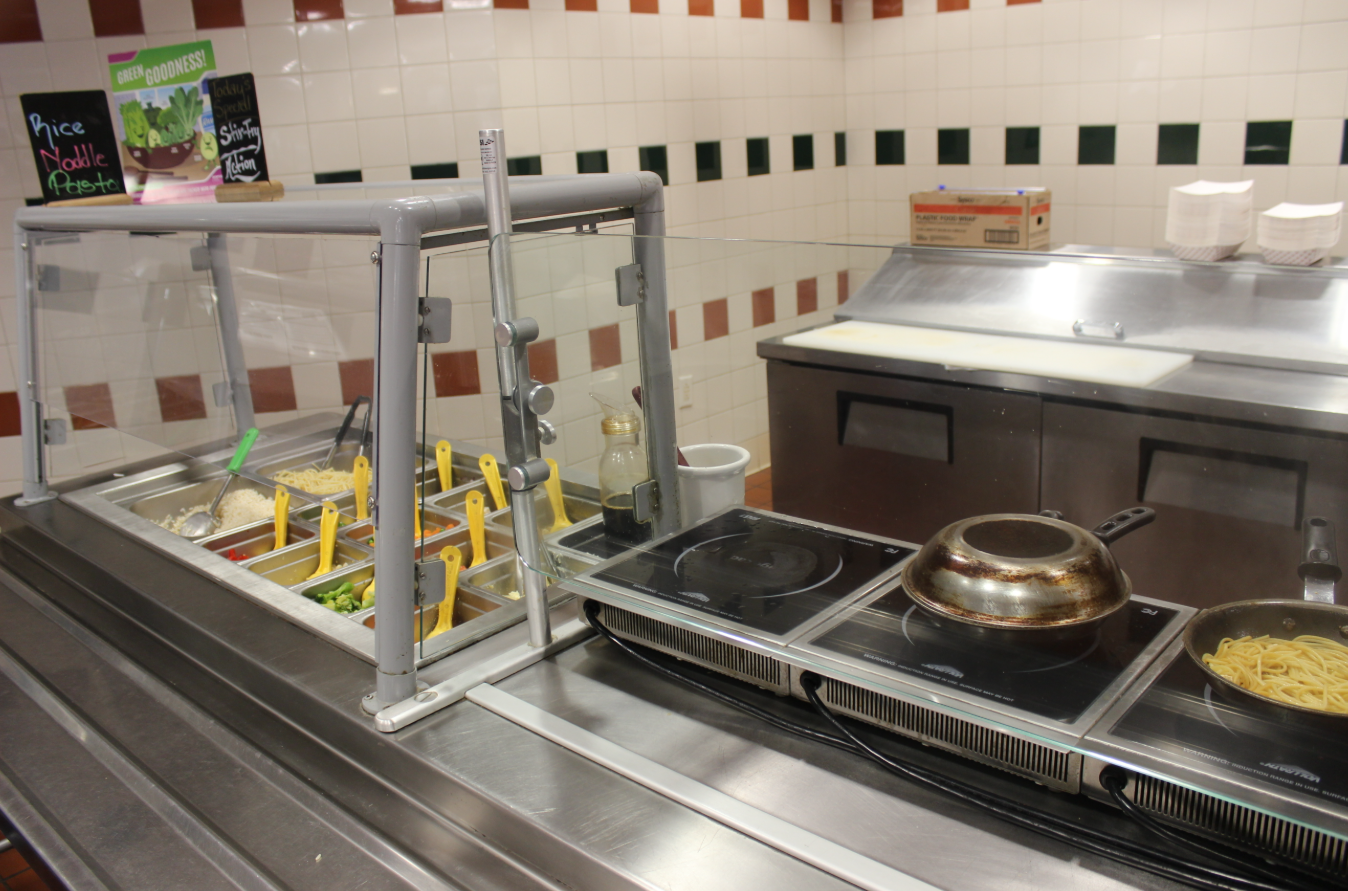
At one point, the stir-fry station in the Irvington High School cafeteria was the most popular lunch option available. Students would head there during their lunch periods, excited to enjoy what was often considered the freshest and most customizable meal offered in the school.
It wasn’t unusual to see long lines of students waiting for their turn. Stir-fry wasn’t just a meal; it was something students genuinely looked forward to each day.
However, things have changed. The stir-fry station, once a student favorite, has seen a noticeable decline in popularity. More students are beginning to turn to other lunch options, and some are even skipping lunch altogether.
Many believe the issue lies in the drop in food quality. In an effort to reduce preparation time and serve more students quickly, the overall freshness and flavor of the stir-fry seems to have suffered. The vegetables are no longer as crisp, the sauces have become bland, and the entire dish feels rushed and less thoughtfully prepared.
“I used to get stir-fry every day last year,” said Robert Stein, a sophomore at Irvington High School. “But now I think I’ll stick with the deli station. The food there is more consistent and tastes better. Stir-fry just doesn’t taste the same anymore.”
The stir-fry station was once known for its made-to-order setup. Students could customize their meals by choosing their own vegetables, proteins, and sauces. That personal touch made the experience enjoyable and gave a sense of freshness that made it stand out from the other cafeteria options. Now, the process feels more like a race than a meal, with quantity taking priority over quality.
This change is more than just a disappointment. Food plays an important role in student health and focus. A nutritious and satisfying lunch provides students with the energy they need to stay alert during the school day. When students feel that the cafeteria food is unappetizing or poorly made, they are more likely to skip meals, which can negatively affect their academic performance and overall well-being.
“Now, I find myself skipping lunch more often than not,” said sophomore Samuel Lee. “Most of the food in the cafeteria just isn’t that good anymore. If the school focused on improving the food, especially the stir-fry, I think a lot of students would benefit.”
There are simple ways to bring stir-fry back to its former glory. Using fresher vegetables, improving the sauces, and taking just a little more time to prepare each bowl with care could make a big difference. Even small improvements would show students that their opinions matter and that the school is committed to providing quality meals.
Bringing back the fresh, flavorful stir-fry that students once loved would not only improve the cafeteria experience but also encourage more students to eat healthy meals during the school day. It may seem like a small part of the high school experience, but it can have a meaningful impact.
For many students, restoring the quality of stir-fry could make lunchtime something to look forward to again.