By Aaron Strow
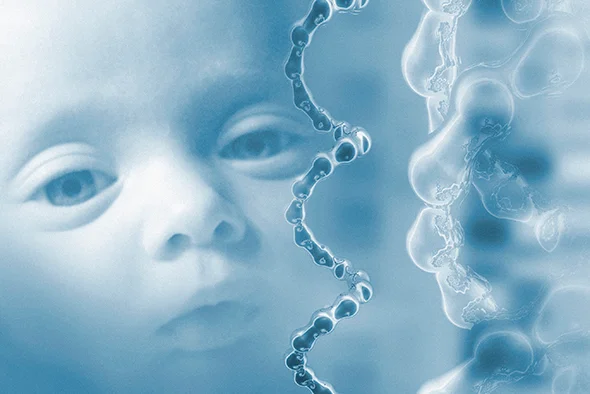
For decades, genetically edited embryos have largely been confined to science fiction. However, with the advent of modern technology, the future is near, and humanity must once again face the question of progress and ethics. Is it justifiable to rewrite the genetic code of our upcoming generation? There is no solid answer; instead, a variety of responses must meet a diverse number of circumstances.
The most attractive benefit of altering one’s genetic code is the potential prevention of life-changing disabilities or diseases. If you were able to save someone from a lifetime of suffering, say from sickle cell anemia, which is an inherited blood disorder where red blood cells become misshapen, would you take the chance?
Obviously, yes, yet these cases are rare, and the opportunity to alter a child shouldn’t be extended to every instance. If it becomes over-normalized, families will inevitably use these technologies on increasingly small flaws, attempting to make their children “perfect”. This can include making a child taller, altering the hair texture, or even their build.
Wyatt Cloutman, a sophomore at Irvington High School, said, “I think that practice could be life-saving, but should not be normalized. I feel like it is important for the safety of the child.”
Furthermore, another issue presented is the question of consent. A child has no say in the genetic modifications that the parents choose, despite the fact that this process will forever change how they live their lives.
For most, it’s more palatable to imagine your characteristics are a product of random selection based on your parent’s genetic pool, not solely based on their choice.
The best possible solution to this dilemma would be constructing strict laws that only allow for the usage of these technologies in terms of serious genetic diseases. Edits made for appearances’ sake are a vain use of the technology and will only promote a homogeneous population. Not to even mention the awkward and unjust power that parents will carry over voiceless children.