By Nuvneet Desai
If you have been scrolling through TikTok Feed or Youtube Shorts recently, you may have noticed a growing number of AI-generated political and military posts circulating online. Some of these posts appear under accounts associated with the White House and other political figures. Many feature stylized military edits or exaggerated depictions of conflict, often presenting war imagery in a sensational or prograndistic way.
One controversial example showed Donald Trump flying a fighter jet in an AI-generated scene targeting protesters, while other notorious posts feature manipulated images offensively portraying former president Barack Obama and former first lady Michelle Obama in dehumanizing ways.
Incidents like these highlight a larger issue in modern media when conflicts such as tensions with Iran right now dominate consumer’s feeds. It ultimately comes down to where journalists, social media platforms, and official governments draw the line between offensive and moral representations of current events.
War reporting has always required a delicate balance. On one hand, the public has a right to understand what is happening in global conflicts. Honest reporting allows citizens to stay informed about military decisions, humanitarian crises, and the real consequences of war. Without accurate coverage, governments and institutions could shape narratives without scrutiny, leaving the public unaware of the full reality.
However, the rise of social media and artificial intelligence has complicated this balance. Platforms designed for short videos and viral content often prioritize attention grabbing visuals rather than careful reporting. Images of explosions, military actions, or provocative political imagery can spread quickly online, sometimes without context or verification. When this happens, conflict can become entertainment rather than information.
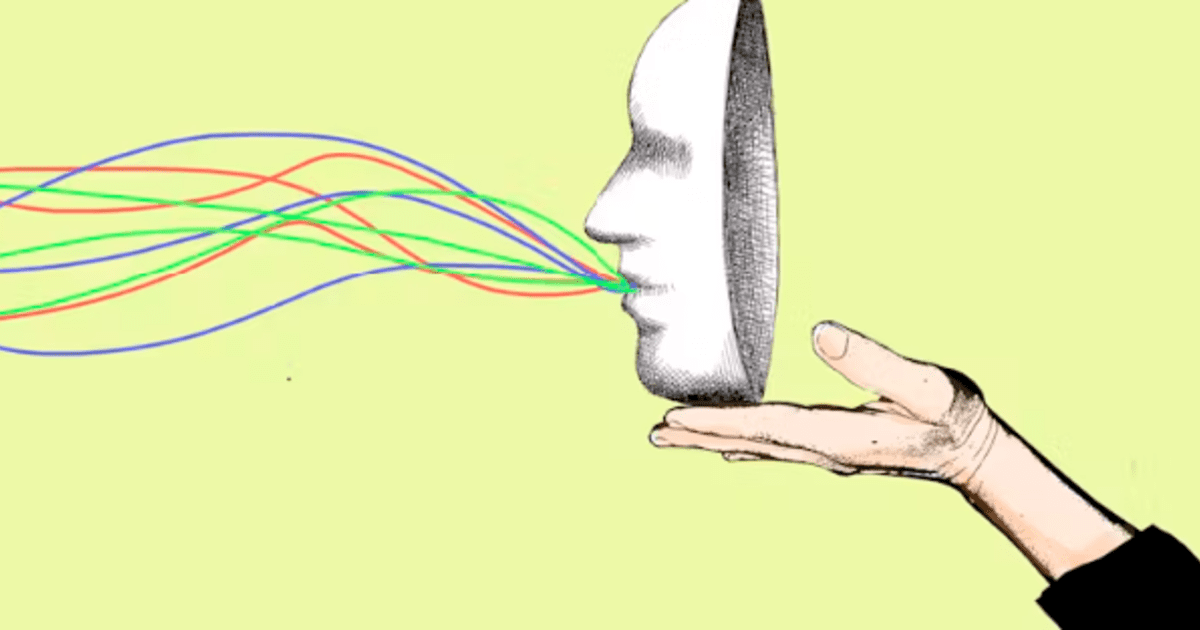
The situation becomes even more sensitive when AI-generated media enters the conversation. Artificial intelligence can now create convincing images and videos that look real but are entirely fabricated. In the context of geopolitical tensions, such as potential conflict involving Iran, misleading visuals can escalate fear, spread propaganda, or deepen political divisions. What once required, professional media production can now be created by anyone with a computer and editing software.
Because of this, journalists and media outlets face an important responsibility. Showing the realities of war may sometimes require difficult or disturbing images. Historically, photographs from conflicts such as Vietnam demonstrated the human cost of war and influenced public opinion. At the same time, responsible journalism requires context, verification, and ethical judgement. Sensational or manipulated content may attract attention, but it risks misleading audiences.
One possible approach is emphasizing context rather than shock value. Instead of relying on dramatic visuals alone, new organizations and government accounts can focus on detailed reporting, expert analysis, and verified footage. Clear labeling of AI-generated content is also becoming increasingly important, helping audiences distinguish between real videos/images and fake ones.
Clearly, the challenge of covering conflict in the modern media environment is not simply what should be shown, but how it should be shown. Sensitive content may sometimes be necessary to reveal the truth about war, but accuracy and responsibility must remain the priority.



Comments are closed.