By Anna Rushton
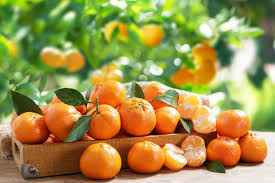
The citrusy fruit we consider an “orange” might not actually be what you think it is. The fruit “orange” can be classified as the category for a variety of juicy fruits. There is a surprising difference between the fruits that fall into this category: the classic orange, the seedy tangerine, the easy-peeling mandarin, and the smaller clementine. There is quite a distinctness to the fruit that lies under the orange peel.
The standard orange is an icon in the fruit world: a round, vibrant citrus fruit surrounded by a thick layer of orange skin. Under the peel, the flesh consists of a fiber layer that covers little pods filled with sweet tangy juice. Beyond its refreshing taste, oranges have numerous health benefits. According to WebMD, “the fiber in oranges can keep blood sugar levels in check and reduce high cholesterol to prevent cardiovascular disease.” By incorporating oranges into your daily diet, you will gain plenty of valuable nutrients that are beneficial for your whole body.
Compared to a typical orange, tangerines are smaller, sweeter, and have a stronger flavor. However, tangerines are also citrus fruits with a bumpy skin. Tangerines are often known for their bright orange (sometimes yellow) skin, making it super easy to peel them open and consume the inside, unlike oranges where it’s often necessary to cut them open because of the thickness of the outer layer. Both tangerines and oranges are often in season from October to April, making them winter citrus fruits. The main difference within the nutrients each fruit offers would be the vitamins they provide. Explained by Health Line, “tangerines are a richer source of vitamin A, while oranges offer more vitamin C and fiber per sharing.”
Surprisingly enough, a tangerine is considered a mandarin. However, while all tangerines are mandarins, not all mandarins are tangerines. As Hale Groves explained, “the mandarin is one of the original citrus species that, through breeding, serves as the ancestor of many hybrid citrus.” With a mandarin being its own fruit, it is sweeter than a tangerine. The skin of a mandarin is typically a light yellowish orange tone and “zipper-skin,” making the peeling process very easy. Mandarins are an ancient fruit from Asia that is a symbol for good luck, especially during the Chinese New Year.
Last but not least, clementines (also known as cuties, halos, or sweeties) are small and rounded, with smooth deep orange skin. Coincidentally, clementines are a modern hybrid of mandarins and oranges. They were made to be entirely seedless, sweeter, and very easy to peel. These benefits make clementines a great everyday snack for school, work, or just at home! Just like most of the fruits listed before, clementines are high in vitamin C which according to Gardenia, aids in boosting immune defense. They also promote collagen production and have skin benefits. Eating about 2-4 (because of their smaller size) a day is considered a healthy and a normal amount that brings enjoyment and aid to your body.
Despite their differences, oranges, tangerines, mandarins, and clementines present extremely similar characteristics. The debate of which of these fruits are better is ultimately up to you. For me, I prefer clementines because they are super easy to eat after school. Which of these orange fruits do you prefer?





Comments are closed.