By Abigail Brandwein
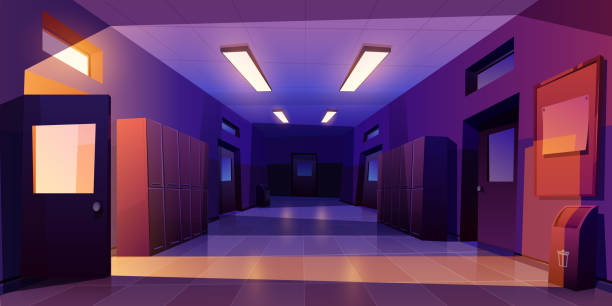
Irvington High School and Middle School have recently fallen to criticism for leaving their lights on throughout the night. Residents of nearby communities, and simply passerbys of the shared campus have noticed that after dark, the building remains brightly illuminated. Long after students and staff have gone home, the school’s lights linger on the grounds. Besides domestic complaints about the disruptive manner of the routine, this practice has raised concerns about energy waste, environmental impact, and the message it sends to students about sustainability.
The district cites safety and maintenance as the primary reasons for the lights remaining on. Custodial staff often work later hours, and some lights may be required to stay on for security purposes. However, the extent to which the buildings are illuminated has drawn attention from the community, especially as the district promotes energy efficiency and environmental awareness as core values on campus.
Leaving lights on overnight contributes to unnecessary electricity consumption, which in turn increases the district’s utility costs and carbon footprint. In an era where schools are being encouraged to adopt greener practices in numerous aspects of their day-to-day activities, this approach to the lighting seems unconventional and wasteful. Reducing nighttime lighting would not only save money for the district, but also set an example for students that shows commitment to sustainability and environmental responsibility.
Primarily, the bright lights are a large disturbance to communities behind and around the school. “I live next to school, and am constantly exposed to nights where the internal school lights remain on 24/7”, says Ali Ziff-Glueck, a junior at Irvington High School. “Not only are the school lights on at night during the school year, the lights remain on over the summer as well which negatively impacts the light pollution in the area, and must negatively impact the amount … the school pays on light”. Irvington residents and high school students alike understand the negative impact of such environmentally careless practices, and call attention to faculty in order to make a change, and keep our campus green.




Comments are closed.